top of page
Keystone Enclosure Testing logo
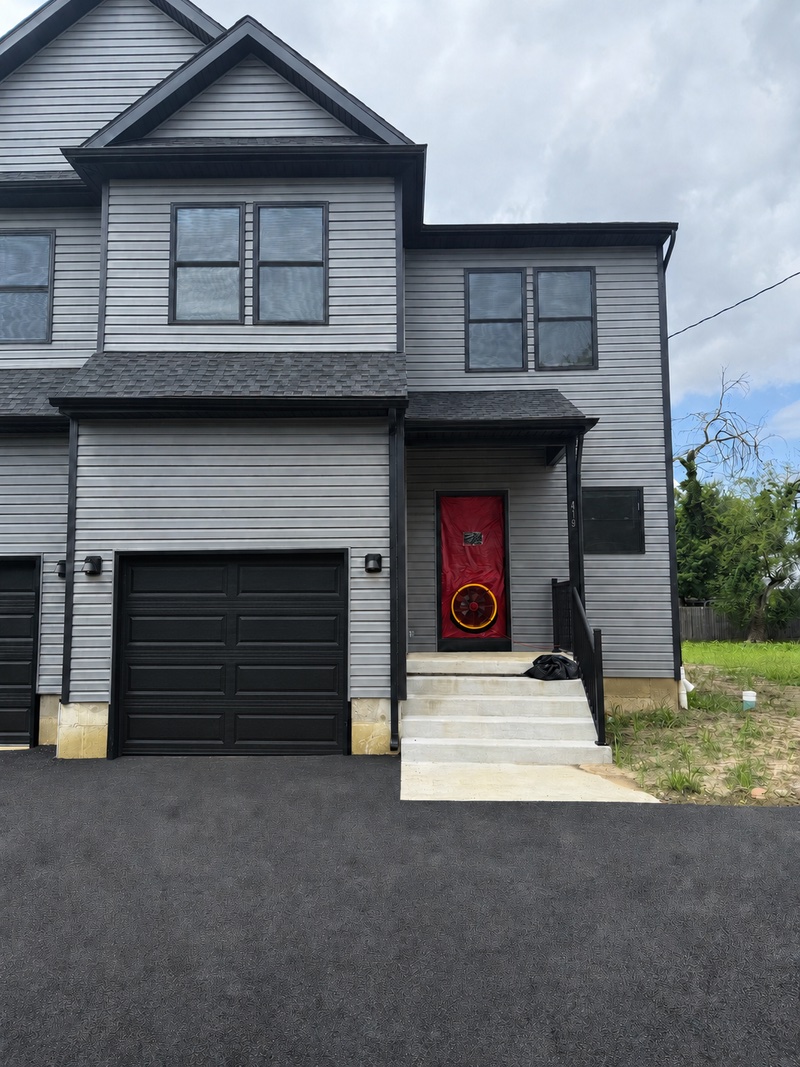
New home tested by Keystone Enclosure Testing in Keasby, New Jersey.

Blower Door and Duct Leakage Test Requirements in NJ & PA

Compare when testing is required, which passing limits apply, and the key difference between New Jersey and Pennsylvania for new residential construction.

Code summary reviewed August 2026. The permit date, approved plans, selected compliance path, and local enforcing agency determine the requirements for each project.

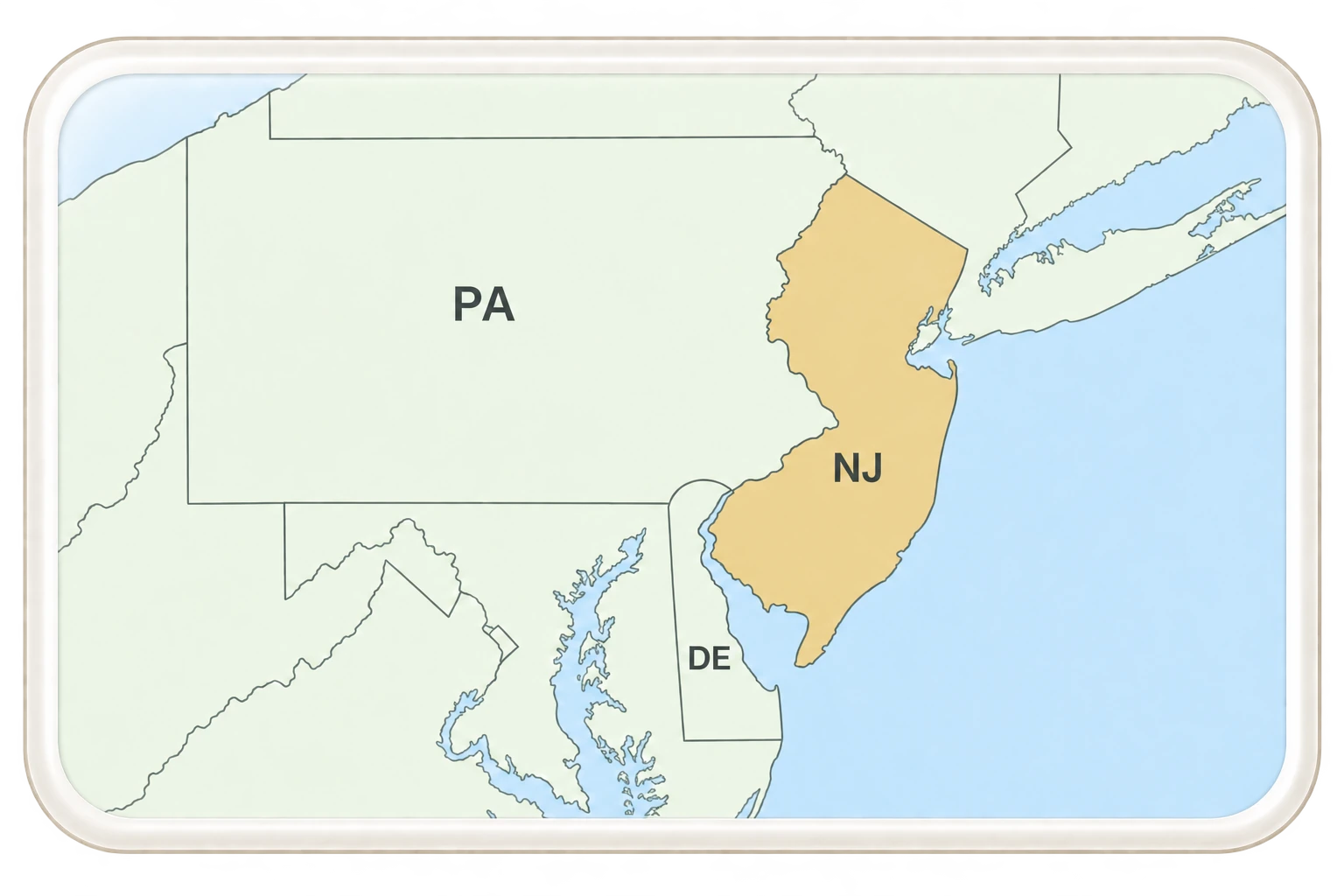
New Jersey

Applicable Code:

2021 IECC, as adopted and amended by New Jersey

Blower Door Test:

Required for new one- and two-family homes and townhouses*

Blower Door Limit:

3.0 ACH50 Maximum

Duct Leakage Test:

Required, including systems located entirely inside the building thermal envelope

*When the applicable state code requires a test, the requirement does not disappear because a municipality fails to request or enforce it. Permit dates, approved plans, and compliance paths may affect individual projects. See our FAQ: What if the municipality does not require testing?

Blower Door and Duct Leakage Test Requirements at a Glance

Compare blower door and duct leakage test requirements, passing limits, and key differences between New Jersey and Pennsylvania for new residential construction.

Pennsylvania

Applicable Code:

2021 IECC, as adopted and amended under the Pennsylvania UCC

Blower Door Test:

Required for new one- and two-family homes and townhouses*

Blower Door Limit:

3.0 ACH50 Maximum

Duct Leakage Test:

Required unless a code exception applies

Learn more about Blower Door Tests Here

New Jersey

New Jersey still requires duct leakage testing when all ducts and the air handler are inside the building thermal envelope. In that situation, the maximum permitted leakage is 8.0 CFM25 per 100 square feet of conditioned floor area.

The Key Difference

Pennsylvania

Pennsylvania does not require a duct leakage test when all ducts and air handlers are entirely inside the building thermal envelope. The same HVAC layout can therefore require testing in New Jersey while qualifying for an exception in Pennsylvania.

New Jersey Residential Test Requirements

New Jersey requires both a blower door and duct leakage test for covered new residential construction. Duct leakage testing may be completed during rough-in or after construction.

Blower Door Test

New one- and two-family homes and townhouses governed by New Jersey’s residential energy code must pass at 3.0 ACH50 or lower. The test must be performed by a person independent of the installer.

Duct Leakage Test

Rough-in with the air handler installed:  ≤ 4 CFM25 / 100 SF CFA

Rough-in without the air handler installed:  ≤ 3 CFM25 / 100 SF CFA

Post-construction:  ≤ 4 CFM25 / 100 SF CFA

All ducts and the air handler inside the thermal envelope: ≤ 8 CFM25 / 100 SF CFA

Pennsylvania Residential Test Requirements
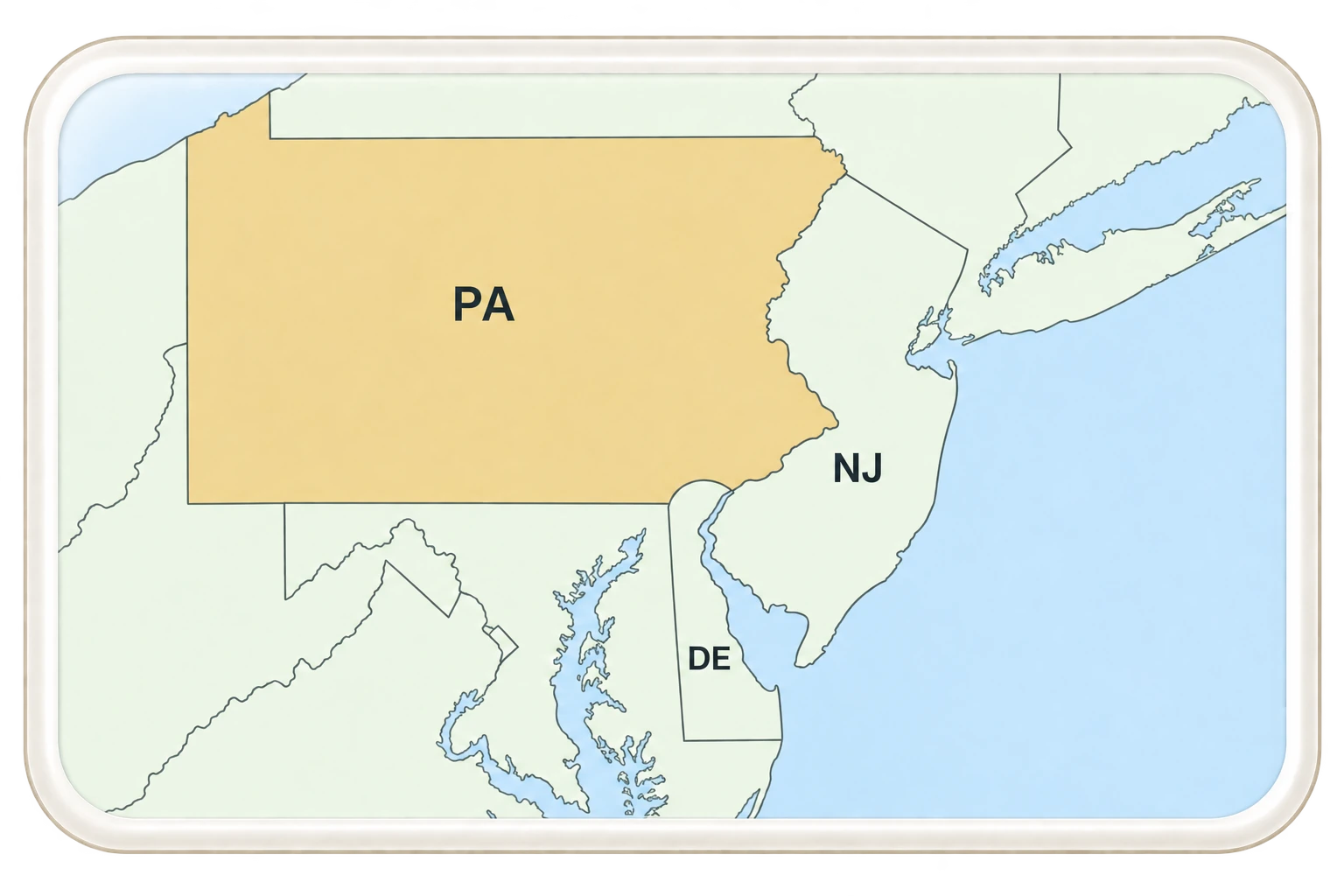
Pennsylvania’s current Uniform Construction Code adopts the 2021 IECC with state-specific amendments. The project’s contract and permit dates, approved compliance path, and HVAC layout determine which requirements apply.

Blower Door Test

New one- and two-family homes and townhouses governed by Pennsylvania’s current UCC must pass a blower door test at 3.0 ACH50 or lower.

Duct Leakage Test

A duct leakage test is required unless all ducts and air handlers are entirely inside the building thermal envelope. A separate exception applies to ducts serving a heat-recovery or energy-recovery ventilator when those ducts are not integrated with the heating or cooling system.

Rough-in with the air handler installed:  ≤ 4 CFM25 / 100 SF CFA

Rough-in without the air handler installed:  ≤ 3 CFM25 / 100 SF CFA

Post-construction:  ≤ 4 CFM25 / 100 SF CFA

Understanding the Measurements

ACH50 measures how many times the air inside a home is replaced in one hour while the building is tested at 50 Pascals of pressure.

CFM25 measures duct-system leakage in cubic feet per minute while the system is tested at 25 Pascals. Code limits are calculated per 100 square feet of conditioned floor area.

Certified Testers and Documentation

In New Jersey, a blower door test must be performed by someone independent of the installer. Pennsylvania may require an approved third party when directed by the code official.

Keystone’s principal tester holds BPI’s Infiltration and Duct Leakage certification. Keystone provides signed results and formal documentation for the project file.

Official Code Sources

New Jersey

Pennsylvania

Testing Standard &
Professional Certification

ANSI/RESNET/ICC 380-2019
Standard referenced by the 2021 IECC for conducting duct-leakage testing.

BPI Infiltration & Duct Leakage Certification
Professional certification held by Keystone’s tester for blower-door and duct-leakage testing.

Need to Confirm Your Project’s Requirements?

Send the project address, permit date, approved energy-code documents, and HVAC scope when scheduling. Keystone will confirm the test scope and readiness requirements before the appointment.

bottom of page